4 شركات عالمية تتنافس لإدارة الميناء الجنوبي بالسودان وتشغيله

الخرطوم: سيف اليزل بابكر
تتنافس 4 شركات موانئ عالمية للفوز بعقد إدارة وتشغيل ميناء سوداني.
ومن المقرر الإعلان عن اسم الشركة الفائزة بتشغيل الميناء الجنوبي المتخصص في صادرات الحبوب الزراعية منتصف الشهر المقبل.وتشمل الشركات المتنافسة شركة موانئ دبي والبحر الأحمر السعودية وشركتين فرنسية وفلبينية.
وأوضح مكاوي محمد عوض، وزير النقل والطرق والجسور، في حديث لأعضاء البرلمان السوداني أن ميناء الحاويات الجنوبي متخصص في مناولة شحنات الحبوب، بينما يُخصص الميناء الشمالي للبضائع العامة، وميناء الخير مخصص للمواد البترولية، والميناء الأخضر للآليات الثقيلة، أما ميناء عثمان دقنة فللمسافرين والمواشي.
وأعلن الوزير عن خطة بلاده لإنشاء عدد من الموانئ على طول ساحل البحر الأحمر البالغ طوله 850 كيلومترا، وربط الموانئ بدول الجوار عبر السكك الحديدية.
وأشار الوزير في تصريحات صحافية إلى أن هناك مفاوضات مع القطريين بدأت قبل عامين للمشاركة في إدارة وتشغيل وتطوير ميناء سواكن في بورتسودان، معلنا عن جولة جديدة من المفاوضات في يوليو (تموز) المقبل.
وبين أن القطريين سيستثمرون نحو 500 مليون دولار في تطوير وتشغيل الموانئ السودانية خاصة ميناء سواكن، الذي يضم 25 رصيفا بسعة 800 متر، ويمكنه أن يستقبل أكبر السفن التجارية العالمية.
وضمن اهتمامه بالموانئ والحركة البحرية، دشن السودان بداية العام الجاري عددا من المشروعات البحرية التي تتصل بهذا القطاع، ومن بينها ميناء (هيدوب) على ساحل البحر، لتصدير الثروة الحيوانية والأسماك والفواكه والخضراوات، والحوض العائم (أرياب) بميناء الأمير عثمان دقنة، وذلك لتقديم خدمات صيانة السفن الدولية العابرة لميناء بورتسودان.
وتزامن تدشين المرافق الجديدة في ميناء بورتسودان على رأسها ميناء تصدير الماشية، وذلك مع إعلان وزارة الثروة الحيوانية عن وضع خطة لزيادة صادرات البلاد من الماشية إلى أكثر من 7 ملايين رأس خلال العام المقبل.
ويستوعب ميناء تصدير الماشية (هيدوب) الزيادة الكبيرة في أعداد الماشية المصدرة من السودان، التي بلغت حتى الربع الأول من العام الحالي نحو مليوني رأس من الماشية والإبل والأغنام، تعادل قيمتها 255 مليون دولار.
ويستوعب الميناء 3 سفن في وقت واحد، ويمكنه استيعاب 3 سفن أخرى في المرحلة الثانية من تطوير المشروع. وسيتم من خلال الميناء تصدير الثروة الحيوانية بقيمة مضافة، حيث يجري العمل حالياً على طرح فرص للاستثمار في المسالخ والاستفادة من مخلفات الحيوان. وأبدت ماليزيا قبل بداية العام الجاري رغبتها الاستثمار في مجال المسالخ في ميناء بورتسودان.
كما دشن السودان نظام الرقابة الإلكترونية على حركة ومنشآت الموانئ الأربعة الواقعة في ميناء بورتسودان المطل على البحر الأحمر في شرق البلاد.
ويعتمد النظام على استخدام غرف تحكم لرصد حركة الملاحة في ساحل بورتسودان، بما يتوافق والمعايير الدولية للمنظمة العالمية لحركة الملاحة، وذلك لحماية البواخر ومتابعة كل ما يحدث في المياه الإقليمية في المنطقة.
وصادق السودان في منتصف يونيو (حزيران) الماضي على 5 اتفاقيات دولية لحماية البحار والملاحة البحرية من أخطار التلوث الناتج عن حركة تفريغ شحنات النفط والغاز في الموانئ.
وتلزم الاتفاقية، وهي واحدة من متطلبات المنظمة العالمية للملاحة (آي إم أو)، الدول الموقعة باتخاذ الاحتياطات اللازمة في حالة التلوث الملاحي، والإبلاغ عن أي حالة تلوث في الموانئ والمياه الإقليمية والاستعداد والاستجابة والتعاون في حالة التلوث النفطي.
الشرق الأوسط
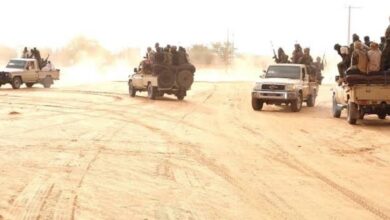

النصح الى اهلنا فى الشرق الحبيب الى النظميات المدنية الحرة مؤتمر البجا حركة الاسود الزرقاء بكل قومياتكم ان الشرق يتعرض الى البيع وتهجيركم منه واحلال سكان جدد محلكم الحل الوحيد الرجوع مجددا الى العمل المسلح ان ما يجري اليوم استغلال حقوق انسان الشرق باسم بصيانة اوتطوير ميناء بورسودان – عملية منظمة يقوم به النظام جلب اصحاب البشرة الصفراء مثل الاتراك الخليجون عرب الى الساحل الشرق خوفاء من ثورتهم المؤجلة مؤقتاءوالقادم هى مسالة وقت
الجهل مر
والامر منه الجهل بالتاريخ ودروسه وعبره
والامر من الجهل بالتاريخ ان يحكم ذلك الجهل بلدا كالسودان
والاشد مرارة ان يسلم ذلك الجاهل البليد مصادر دخل البلد الاستراتيجية للاجانب او القطاع الخاص.
هذا مقطع مختصر عن تاريخ قناة السويس الذي تعتبر به الدول المتقدمة
In the 1870s, the scope of Great Britain?s financial empire exceeded
the scope of its political empire. Dependence on British investors
sometimes was a precursor, though, to informal?or even formal?
political control.
When Egypt?s khedive needed to raise cash to cover
his personal debt to private British banks, he sold his large personal
stake in the Suez Canal to the British state. Egypt?s ruler did little better managing Egypt?s public debt: difficulties making payments led
Britain and France to assume control over Egypt?s treasury and, by
1882, to full British political control.
In the 1950s, Egyptian president Gamal Abdel Nasser?s decision to
nationalize the Suez Canal led Britain?together with France and
Israel?to occupy the Canal Zone. But Britain?s financial position had
deteriorated, and it now depended on external financing to sustain the
pound?s peg to the dollar. The United States?then Britain?s most important creditor?indicated that its willingness both to provide direct
financial support to Britain and to back an International Monetary
Fund (IMF) loan hinged on Britain?s willingness to respect a UN General
Assembly resolution calling for Britain, France, and Israel to withdraw
from the Suez. The U.S. ultimatum forced Britain to reconsider
its position. British prime minister Anthony Eden explained: ?We
were therefore faced with the alternatives, a run on sterling and the
loss of gold and dollar reserves till they fell well below the safety margin ? or make the best we could of UN takeover and salvage what we
could.?2 Britain?s decision to withdraw from the Suez duly prompted
the United States to back a larger than expected IMF loan.
مجرد تذكرة لعقلاء بلادي اصحاب الوطنية المجردة وليس سياسيين للمال والجاه بالسلطة
اتفق معك دينق ملوال
فعلا الشرق يباع
حلايب وشلاتين لمصر وربما حلفا ايضا
الموانئ للعرب والاتراك الفاسدين
كسلا لاريتريا بتعيين وزير داخلية اريتري
الفشقة لاثيوبيا
ان على الشعب وعقلاء بلادي ان يوقفوا هذا الاستهتار بممتكات الشعب السوداني ولو بقوة السلاح. نعم ولو بقوة السلاح الآن.
ما هذه الفوضي والجهل الي يري فيه الفاشلون الفاسدون انجازات ينكرها من يتصوروهم بعمي البصيرة وجهلهم أعدائهم.
تكملة المقطع الإنجليزي عاليه والخاص بتمليك الاجانب ثروات سيادية
The lesson of Suez for the United States today is clear: political might is often linked to financial might, and a debtor?s capacity to project military power hinges on the support of its creditors. The United States is militarily far stronger than Britain was in the 1950s?and unlike Britain, it is not committed to maintaining the dollar?s external value. However, in some ways the United States? current financial position is more precarious than Britain?s position in the 1950s. While Britain ran a small current account surplus in 1956, the United States ran a $750 billion current account deficit in 2007?5.5 percent of gross domestic product (GDP). Britain?s main source of financing was a close political ally. The United States? main sources of financing are not allies. Without financing from China, Russia, and the Gulf states, the dollar would fall sharply, U.S. interest rates would rise, and the U.S. government would find it far more difficult to sustain its global role at an acceptable domestic cost.
To date, the fears concerning reliance on foreign governments for financing have not been borne out. China and Russia bought the debt the United States issued to finance the war in Iraq even though they voted against the United States in the UN. A fall in private demand for repackaged mortgage-backed securities in August 2007 was offset by a rise in central bank demand for Treasury securities and the ?agency? bonds issued by Fannie Mae and Freddie Mac. Because the United States? ability to borrow huge sums at favorable rates seems unlimited, many have come to see reliance on foreign finance not as a source of vulnerability but as a sign of strength. Others argue that the United States is simply too big an economy to fail. Foreigners cannot withhold credit from the United States because the resulting decline in the dollar and fall in U.S. consumption would undermine their own exports.
هذا جزء يسير للغاية من موضوع طويل ومعقد للغاية قد تنتهي بحروب اكبر مع القوة العظمي الحامية للعرب الملاعين
ادي الخبز لخبازه ولو يسرق نصه البلاد مقبلة على ثروات كبيرة والخبر كتير الف الف الف مبروك ونقول بالرفاه والبنين ولا العنصرية والجهوية وحكومتنا مية المية وسير سير يا البشير نحن جنودك للتعمير
عندنا شنو بصدروه علشان٤شركات عالمية تتنافس على الميناء؟ اللهم إلا للإستيراد فقط لكن تصدير ما أظن هناك شئ يجعل حركة الميناء رايحة جاية.وأكيد ستسخر هذه الشركات باعتبار أن مصلحتها في حركة الصادر والوارد.
الوارد مؤكد لأن السودان ليس فيه منتجات للتصدير واعتمد على الخارج في كل شئ بعد أن قضت حكومة المفسدين على المشاريع الكبيرة والصغيرة.
متنافسين على شنو؟؟؟؟
أما ميناء عثمان دقنة فللمسافرين والمواشي.
ما في كلام تاني
بالله شركة فليبينة!!!! طبعاً كل العمالة حتكون من الفليبين في حالة فوز اي من الشركات الثلاث ويمكن الفرنسية كمان، يا عمال الميناء، احرقو الميناء كله لو ده حصل.
النصح الى اهلنا فى الشرق الحبيب الى النظميات المدنية الحرة مؤتمر البجا حركة الاسود الزرقاء بكل قومياتكم ان الشرق يتعرض الى البيع وتهجيركم منه واحلال سكان جدد محلكم الحل الوحيد الرجوع مجددا الى العمل المسلح ان ما يجري اليوم استغلال حقوق انسان الشرق باسم بصيانة اوتطوير ميناء بورسودان – عملية منظمة يقوم به النظام جلب اصحاب البشرة الصفراء مثل الاتراك الخليجون عرب الى الساحل الشرق خوفاء من ثورتهم المؤجلة مؤقتاءوالقادم هى مسالة وقت
الجهل مر
والامر منه الجهل بالتاريخ ودروسه وعبره
والامر من الجهل بالتاريخ ان يحكم ذلك الجهل بلدا كالسودان
والاشد مرارة ان يسلم ذلك الجاهل البليد مصادر دخل البلد الاستراتيجية للاجانب او القطاع الخاص.
هذا مقطع مختصر عن تاريخ قناة السويس الذي تعتبر به الدول المتقدمة
In the 1870s, the scope of Great Britain?s financial empire exceeded
the scope of its political empire. Dependence on British investors
sometimes was a precursor, though, to informal?or even formal?
political control.
When Egypt?s khedive needed to raise cash to cover
his personal debt to private British banks, he sold his large personal
stake in the Suez Canal to the British state. Egypt?s ruler did little better managing Egypt?s public debt: difficulties making payments led
Britain and France to assume control over Egypt?s treasury and, by
1882, to full British political control.
In the 1950s, Egyptian president Gamal Abdel Nasser?s decision to
nationalize the Suez Canal led Britain?together with France and
Israel?to occupy the Canal Zone. But Britain?s financial position had
deteriorated, and it now depended on external financing to sustain the
pound?s peg to the dollar. The United States?then Britain?s most important creditor?indicated that its willingness both to provide direct
financial support to Britain and to back an International Monetary
Fund (IMF) loan hinged on Britain?s willingness to respect a UN General
Assembly resolution calling for Britain, France, and Israel to withdraw
from the Suez. The U.S. ultimatum forced Britain to reconsider
its position. British prime minister Anthony Eden explained: ?We
were therefore faced with the alternatives, a run on sterling and the
loss of gold and dollar reserves till they fell well below the safety margin ? or make the best we could of UN takeover and salvage what we
could.?2 Britain?s decision to withdraw from the Suez duly prompted
the United States to back a larger than expected IMF loan.
مجرد تذكرة لعقلاء بلادي اصحاب الوطنية المجردة وليس سياسيين للمال والجاه بالسلطة
اتفق معك دينق ملوال
فعلا الشرق يباع
حلايب وشلاتين لمصر وربما حلفا ايضا
الموانئ للعرب والاتراك الفاسدين
كسلا لاريتريا بتعيين وزير داخلية اريتري
الفشقة لاثيوبيا
ان على الشعب وعقلاء بلادي ان يوقفوا هذا الاستهتار بممتكات الشعب السوداني ولو بقوة السلاح. نعم ولو بقوة السلاح الآن.
ما هذه الفوضي والجهل الي يري فيه الفاشلون الفاسدون انجازات ينكرها من يتصوروهم بعمي البصيرة وجهلهم أعدائهم.
تكملة المقطع الإنجليزي عاليه والخاص بتمليك الاجانب ثروات سيادية
The lesson of Suez for the United States today is clear: political might is often linked to financial might, and a debtor?s capacity to project military power hinges on the support of its creditors. The United States is militarily far stronger than Britain was in the 1950s?and unlike Britain, it is not committed to maintaining the dollar?s external value. However, in some ways the United States? current financial position is more precarious than Britain?s position in the 1950s. While Britain ran a small current account surplus in 1956, the United States ran a $750 billion current account deficit in 2007?5.5 percent of gross domestic product (GDP). Britain?s main source of financing was a close political ally. The United States? main sources of financing are not allies. Without financing from China, Russia, and the Gulf states, the dollar would fall sharply, U.S. interest rates would rise, and the U.S. government would find it far more difficult to sustain its global role at an acceptable domestic cost.
To date, the fears concerning reliance on foreign governments for financing have not been borne out. China and Russia bought the debt the United States issued to finance the war in Iraq even though they voted against the United States in the UN. A fall in private demand for repackaged mortgage-backed securities in August 2007 was offset by a rise in central bank demand for Treasury securities and the ?agency? bonds issued by Fannie Mae and Freddie Mac. Because the United States? ability to borrow huge sums at favorable rates seems unlimited, many have come to see reliance on foreign finance not as a source of vulnerability but as a sign of strength. Others argue that the United States is simply too big an economy to fail. Foreigners cannot withhold credit from the United States because the resulting decline in the dollar and fall in U.S. consumption would undermine their own exports.
هذا جزء يسير للغاية من موضوع طويل ومعقد للغاية قد تنتهي بحروب اكبر مع القوة العظمي الحامية للعرب الملاعين
ادي الخبز لخبازه ولو يسرق نصه البلاد مقبلة على ثروات كبيرة والخبر كتير الف الف الف مبروك ونقول بالرفاه والبنين ولا العنصرية والجهوية وحكومتنا مية المية وسير سير يا البشير نحن جنودك للتعمير
عندنا شنو بصدروه علشان٤شركات عالمية تتنافس على الميناء؟ اللهم إلا للإستيراد فقط لكن تصدير ما أظن هناك شئ يجعل حركة الميناء رايحة جاية.وأكيد ستسخر هذه الشركات باعتبار أن مصلحتها في حركة الصادر والوارد.
الوارد مؤكد لأن السودان ليس فيه منتجات للتصدير واعتمد على الخارج في كل شئ بعد أن قضت حكومة المفسدين على المشاريع الكبيرة والصغيرة.
متنافسين على شنو؟؟؟؟
أما ميناء عثمان دقنة فللمسافرين والمواشي.
ما في كلام تاني
بالله شركة فليبينة!!!! طبعاً كل العمالة حتكون من الفليبين في حالة فوز اي من الشركات الثلاث ويمكن الفرنسية كمان، يا عمال الميناء، احرقو الميناء كله لو ده حصل.